UWinAT - year 3

UWinAT - year 3
Embedding the work and spreading the message
The evidence from the first two years has suggested that creativity is learnable and when pupils were given the opportunity to work on open ended tasks, in terms of approach and outcome, they were able to produce work that is more creative and shows deeper learning about the subject matter - creativity and knowledge go hand in hand. Observations from the classroom suggested that teaching for creativity also enables a wider range of learners to access the curriculum and in general pupils show signs of being more strongly engaged with their learning in lessons that teach for creativity. Therefore, in year three, a key goal was to complete the formal assessment of the impacts of the work, through our mixed-methods research programme. This then strengthened the evidence base with regards to what worked in the practice undertaken in our Collaborative.

A second key goal was to embed and spread our teaching for creativity. A key finding from previous years is that, in order to really embed and sustain teaching for creativity, it is fundamentally important that school leaders treat teaching for creativity as a priority and are fully ‘present’ in the project work. Without this driving force, teaching for creativity can quickly flounder in a school. Consequently, working with leaders to drive whole school approaches to teaching for creativity is going to be crucial for change. One year three goal for our leaders was to develop school-wide approaches to evidencing progress in teaching and learning for creativity. This supported leaders, teachers and pupils to measure the impacts of their work for themselves and to guide further learning and development. In addition, teaching for creativity will be further spread through the teachers who have been part of the project becoming advocates of teaching for creativity, coaching and mentoring others to develop their practice.
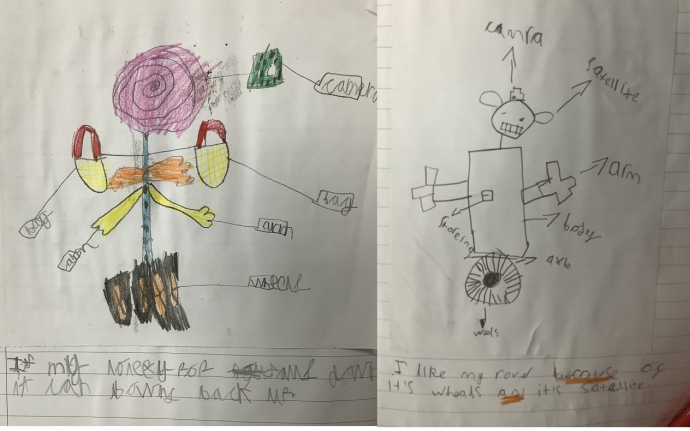
A final key goal was to build a legacy after the project completes. For instance, teachers who have been part of our teacher research group are each writing up case studies of units of work in different areas where they have developed teaching for creativity using our framework. These case studies will be made available as a resource for other teachers and schools to use in the future. More broadly the project team has developed a professional learning package for schools interested in developing their teaching for creativity, which draws on the work of the past three years. These types of initiative will help ensure that the project leaves a lasting legacy.
Other years
The University of Winchester Academy Trust Creativity Collaborative
